
Preserving America's Rail Corridors for the Future
Rail banking is a vital strategy for preserving unused rail corridors for potential future use while repurposing them for community benefit in the interim. This innovative concept was established under the National Trails System Act of 1983. It allows railroads to convert unused rail lines into trails until such time they might be needed again for rail service.
How Rail Banking Works
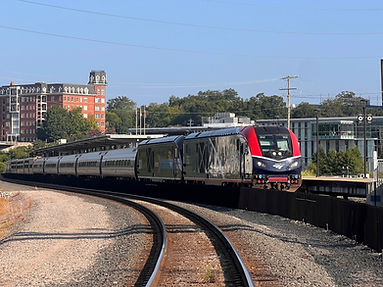
When a railroad decides that a segment of its track is no longer needed for active rail service, it can enter into an agreement with a public or private entity to "bank" the corridor. This means the rail line is preserved and maintained for possible reactivation in the future, but in the meantime, it can be used for recreational trails. This process helps ensure that these valuable corridors remain intact, avoiding potential land disputes or development that could make reactivation difficult or impossible.
Benefits of Rail Banking
Preservation of Rail Corridors: Rail banking helps keep rail corridors intact, preventing them from being sold off or developed, which would complicate future rail reactivation.
Community Recreation: Many rail-banked corridors are converted into trails, providing excellent spaces for biking, walking, and other outdoor activities. These trails often become vital parts of local and regional trail networks.
Economic Impact: Rail-trails can boost local economies by attracting tourism and increasing property values near the trails.
Environmental Benefits: Converting rail corridors to trails can promote green transportation options and connect natural areas, enhancing local ecosystems and encouraging outdoor recreation.
Examples of Rail Banking Success
There are many successful rail-trail conversions across the United States, such as the Katy Trail in Missouri and the Great Allegheny Passage in Pennsylvania and Maryland. These trails not only provide recreational opportunities but also preserve the corridors for potential future rail use.

The Future of Rail Banking
Rail banking continues to be a crucial tool for transportation planning and community development. As we look towards a future with increasing demand for sustainable transportation options, rail banking ensures that we can adapt and expand our rail infrastructure as needed.

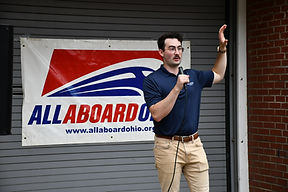
Ryan Pecaut
Ryan Pecaut is the communications strategy lead at All Aboard Ohio and a career professional in transportation analytics


ABOUT ALL ABOARD OHIO
All Aboard Ohio is a non-profit, member-based organization dedicated to promoting improved public transportation and passenger rail service throughout the state.
Founded in 1973 and incorporated as a registered 501c-3 in 1987, All Aboard Ohio has spent more than 50 years advocating, educating, and working towards our goal of a connected Midwest
All Aboard Ohio is a 501c-3 nonprofit with over 50 years of advocacy work, advocating for improved public transportation and passenger rail service in the Midwest
©2025 by All Aboard Ohio
Get in Touch
3136 Kingsdale Center,
#112 Columbus, OH 43221
Federal Tax ID: 31-1066182


